


A few years ago I sat through a particular leadership conference where speaker after speaker talked about the transformation journey their organisation was on. Every one of them was going to become more innovative, more customer focused, more agile or in some cases, all of the above.
The presentations were polished, the vision statements were compelling and I have little doubt the intentions were good. But what left me curious wasn’t what happened on the day, it was what happened afterwards.
I’ve thought about that conference multiple times since and wondered, did they really achieve the visions outlined in their bold and compelling resolutions?
You see, it’s easy to declare a destination. It’s much harder to make the hundreds of small decisions and take the actions required to reach it. Those little decisions are the ones that really count, the ones that compound and drive is towards that big resolution.
Whenever I find myself reflecting on that idea, I think of Australian singer-songwriter Paul Kelly and the song, Little Decisions, from his 1985 album, Post.
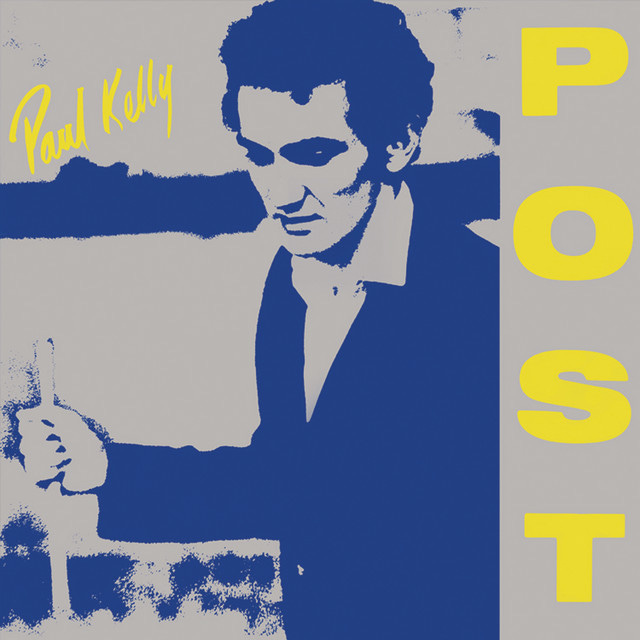
Confession time; I’ve been a fan of Paul Kelly for as long as I can remember. His music has always felt uniquely Australian to me, not because of the places and characters in his songs, but because of his ability to find meaning in everyday life. Kelly notices things most of us overlook, like a conversation, a memory, a street corner or even a relationship under strain. For Kelly, small moments become stories and ordinary experiences become something worth paying attention to.
Listening to the Kelly’s Little Decisions now, more than forty years after it was released, it feels less like a song about decision-making per se and more like a reminder about how life actually unfolds, one small decision at a time.
Most of us can point to a handful of moments that changed our direction, perhaps that role we accepted or an opportunity we pursued. Those moments matter and they often become landmarks in the stories we tell about ourselves. What we ignore in the narrative however is everything that came afterwards. The initial decision creates possibility while the outcome depends on what happens next. That’s where things become less exciting and considerably more important. That’s where the little decisions we make and the actions we actually take decide whether that big decision comes to fruition.
Across multiple organisations, I’ve seen leadership become captivated by the big decision but failing to follow through with all the required little decisions and actions to make it happen. For a while, everyone talks about the future, but the little decisions required to continue in that direction fall away as reality resumes.
The real work in a big decision or resolution begins when leaders decide whether to have the difficult conversation they’ve been avoiding or when they respond to setbacks. It begins when people choose whether to behave in ways that support the change or retreat to familiar habits. Those choices rarely attract attention. Nobody writes case studies about them, yet they’re often the difference between a successful transformation and another initiative that quietly disappears.
Cultural transformation as an example is largely a collection of repeated little decisions aligned with the direction set; it’s built in meetings, conversations and moments of pressure. It takes shape through what leaders tolerate, what they encourage and what they consistently model.
The same principle applies well beyond the workplace.
Looking back over my own life, I’m increasingly aware that many of the outcomes I’m grateful for weren’t created by dramatic acts of courage or a single brilliant decision. They emerged gradually from choices that seemed fairly ordinary at the time. Indeed, my life has been shaped by all the little decisions, akin to those that Kelly sings of.
None of the little decisions I’ve made felt significant in isolation. There was no sense that they were shaping the future. In fact, most passed unnoticed. That’s the nature of little decisions, they don’t announce their importance when they arrive.
We tend to notice outcomes more than processes. We see the successful business, the healthy lifestyle, the trusted leader, the strong relationship. What we don’t see are the years spent making little choices that appeared insignificant on any given day. Perhaps that’s why people often underestimate the power of consistency.
We want change to arrive in dramatic moments because dramatic moments are easier to recognise and they make for a more dramataic narrative. However, life is usually less tidy than that. Most meaningful progress happens slowly enough that we barely notice it while it’s occurring. Then one day we look back and realise we’ve travelled much further than we thought, driven by all the little decisions we’ve made along the way.
That’s what I enjoy most about the song, Little Decisions, it doesn’t celebrate heroic achievements or life-changing revelations. Instead, it draws attention to something much more familiar, the small choices that fill our days and the way they quietly shape our future. And the older I get, the more convincing that idea becomes.
Don’t get me wrong, the big decisions matter. They give us direction and help us decide where we want to go. But when I look at the people I most admire, whether they’re leaders, athletes, artists, business owners or simply good human beings, their success rarely seems to rest on a handful of defining moments. More often, it reflects years of making thoughtful little decisions when nobody was watching.
The little decisions rarely feel important when we're making them but looking back, they're often the only reason the big decisions mattered at all.